Residential pest control services in Columbia, SC establish structural security against invasive biological pressure through precise botanical and chemical barrier engineering. The Midlands subtropical climate creates…
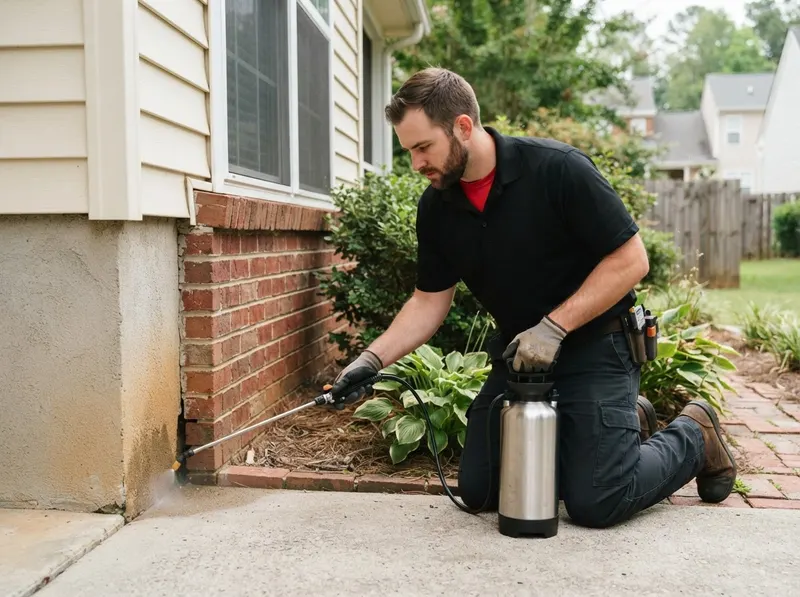
Residential pest control services in Columbia, SC establish structural security against invasive biological pressure through precise botanical and chemical barrier engineering. The Midlands subtropical climate creates aggressive reproduction cycles for subterranean termites, wood-boring insects, and invasive commensal rodents. Properties bordering riverine corridors like Riverbanks Zoo and Garden or the damp floodplains near Congaree National Park encounter severe American cockroach (Periplaneta americana) migrations and structural moisture pests. Eradication protocols require identifying specific structural pathways rather than deploying indiscriminate broadcast sprays. Technicians map ingress points along brick weep holes, foundation expansion joints, and crawlspace vents, aligning with structural protection guidance published by the Clemson University Cooperative Extension. Treatments focus on active harborage disruption, neutral-odor microencapsulated perimeter barriers, and non-repellent structural soil defenses. A $350 baseline treatment covers full perimeter containment and interior focal-point eradication for residences up to 2,000 square feet, protecting the property against persistent humidity-driven pests.
Older architectural designs throughout Elmwood Park, Cottontown, and Shandon present unique vulnerability vectors due to unencapsulated crawlspaces, raised pier-and-beam foundations, and antique heart-pine framing. In these environments, subterranean termites (USDA ARS research entity Reticulitermes flavipes) move through damp earthen tunnels directly into sills and subfloors. Technicians establish continuous exterior barrier trenches using non-repellent liquid termiticides, adhering directly to standards codified by the U.S. Environmental Protection Agency. This approach ensures foraging worker termites transfer active compounds back to the subterranean colony nucleus rather than repelling them into untreated wall cavities. Concurrently, interior living zones receive low-volatility gel baits and mechanical harborage sealing, eliminating toxic chemical odors and removing any requirement for household evacuation during treatment. Technicians verify safety measures under protocols established by the Occupational Safety and Health Administration.
Slab-on-grade brick ranchers in Forest Acres, Heathwood, and Lake Katherine face localized rodent pressures from heavy pine canopies and ornamental groundcover. Roof rats (Rattus rattus) leverage live oak branches to access fascia boards, soffits, and attic insulation zones, creating fire hazards by gnawing electrical insulation. Structural rodent protocols execute complete exclusion engineering rather than basic temporary trapping. Entry apertures larger than 0.25 inches are sealed using galvanized 19-gauge steel hardware cloth and high-density polyurethane expanding foam, adhering to vertebrate damage mitigation methods detailed by the USDA Animal and Plant Health Inspection Service. Exterior perimeter bait stations, secured against non-target wildlife under guidelines from the South Carolina Department of Natural Resources, intercept exterior foraging routes before populations enter wall cavities. Where moisture pest populations thrive near the South Carolina Department of Health and Environmental Control drainage monitoring sectors along the Saluda and Broad rivers, crawlspace vapor barriers and borate-based wood treatments protect the core structural framing from fungal decay and wood-boring beetles.
Every job gets a firm, written price after a free on-site visit.
Tell us about your residential pest control services in columbia, sc job in columbia and we'll send a clear, written quote, usually the same day.
 CedarWing Extermination